

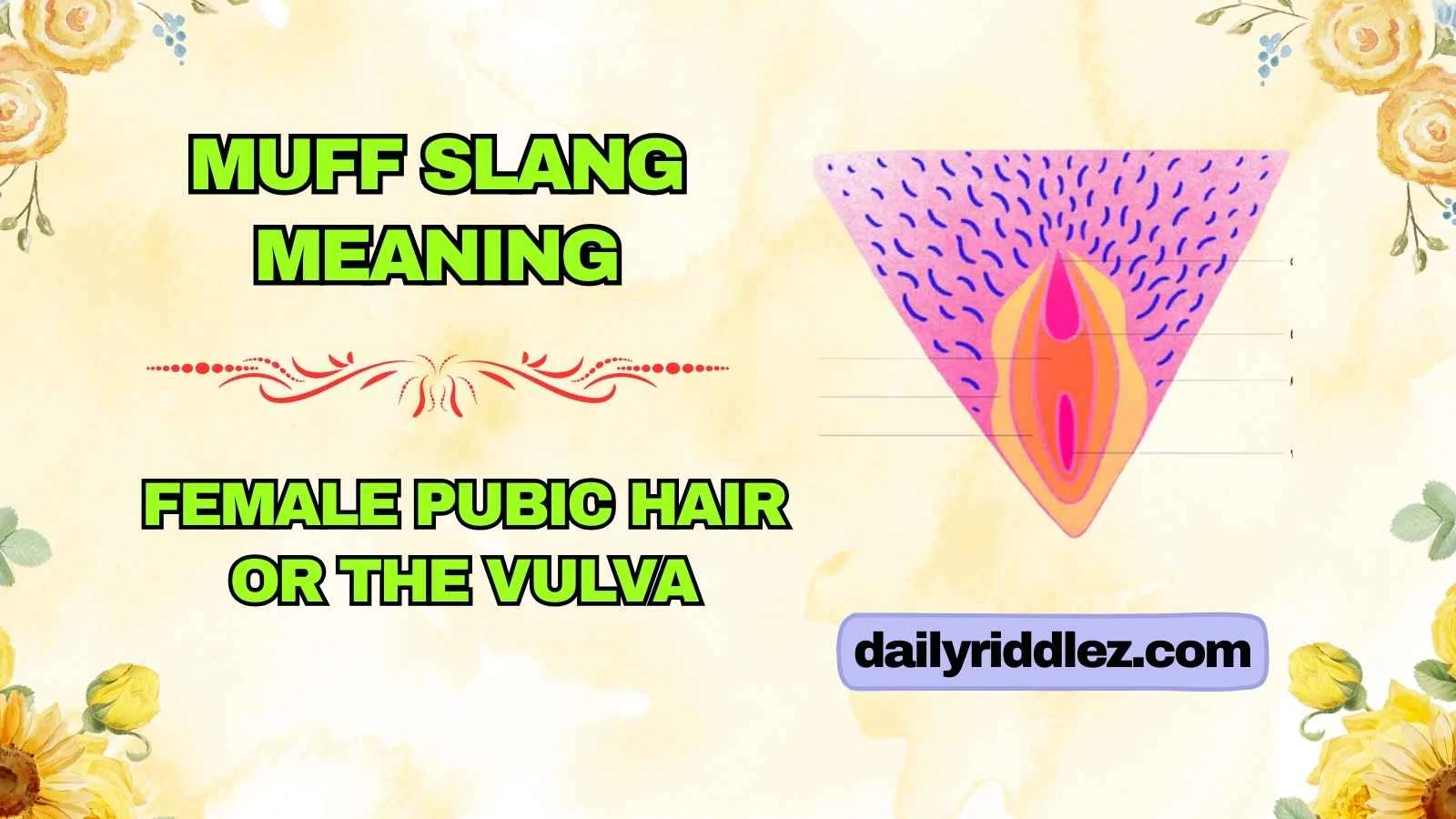
If you’ve seen the word “muff” pop up in a chat, comment thread, meme, or DM and thought, “Wait… what does that mean here?” you’re not alone. Muff slang is one of those terms that looks harmless on the surface but can mean very different things depending on context, platform, and tone.
In modern internet culture, words evolve fast. A term that once meant something innocent can take on adult, sarcastic, or playful meanings in texting and online conversations. That’s exactly what happened with muff.
This guide is updated for 2026, written in simple English, and designed to be the clearest, most helpful resource online for anyone searching muff slang meaning. If you’re new to internet slang, or just want to avoid an awkward moment, you’re in the right place.
What Does “Muff” Mean in Slang?
The Core Meaning of Muff Slang
In modern slang, muff most commonly refers to female pubic hair or the vulva, usually in a sexual, joking, or crude context.
Plain explanation:
When used as slang, muff is typically a sexual term, not a random or innocent word.
That said, context matters a lot.
Different Meanings of “Muff” Based on Context
Here’s how muff slang meaning can change depending on where and how it’s used:
- Sexual slang (most common online)
- Refers to female genitalia or pubic area
- Often used jokingly, flirtatiously, or crudely
- Insult or joke
- Used to tease someone in edgy humor spaces
- Can sound disrespectful if used wrong
- Literal meaning (non-slang)
- A winter hand warmer
- A mistake or failure (to “muff” something)
- These are not slang and usually obvious from context
If you’re seeing muff in DMs, comments, or memes, it’s almost always the slang version, not the dictionary one.
Where Did Muff Slang Come From?
The slang usage of muff dates back decades, but it became more visible online due to:
- Early internet forums
- Adult humor sites
- Gaming and meme culture
- Unfiltered comment sections
By the time Gen Z entered social media, muff was already understood as sexual slang, even if people didn’t say it out loud.
How People Use “Muff” in Real Conversations
Platforms Where Muff Slang Appears Most
You’re most likely to see muff slang used on:
- Twitter/X replies
- Reddit threads
- Discord servers
- Gaming chats
- NSFW meme pages
- Private DMs
It’s rarely used in public-facing, professional spaces.
When It’s Used Casually vs When It’s Awkward
Casual or expected usage:
- Adult humor conversations
- Explicit jokes between friends
- NSFW communities
- Meme culture
Awkward or inappropriate usage:
- Random comments on someone’s post
- Professional chats
- Talking to people you don’t know well
- Mixed-age or family group chats
A good rule:
If you wouldn’t say it out loud in public, don’t type it casually.
Real Talk: Why People Still Use It
People use slang like muff because it:
- Feels edgy or taboo
- Gets attention fast
- Signals adult humor
- Fits meme-style language
But it also ages badly and can come off as cringe if used wrong.
Real-Life Examples of “Muff” in Text Messages
Below are realistic, chat-style examples showing how muff slang is actually used — plus what each one means.
Example 1:
“Bro really made a whole meme about muff”
Meaning:
They’re joking about sexual content or adult humor, usually in a meme context.
Example 2:
“This server went from gaming to muff jokes real quick”
Meaning:
The conversation turned sexual fast.
Example 3:
“Nah that comment section is full of muff talk”
Meaning:
People are making crude or sexual remarks.
Example 4 (awkward use):
“Nice pic, love the muff”
Meaning:
This comes off as creepy and inappropriate, especially if unsolicited.
Why Context Saves You
If you’re unsure what muff means in a message, ask yourself:
- Is this a joke?
- Is it sexual?
- Is it a meme space?
Nine times out of ten, yes, it’s slang.
Common Mistakes & Misunderstandings
Mistake 1: Assuming Muff Is Always Innocent
Some people think muff just means:
- A winter accessory
- A mistake (“I muffed that play”)
In slang-heavy spaces, that’s usually wrong.
Mistake 2: Using Muff Without Knowing the Audience
Using muff slang with:
- Coworkers
- Strangers
- Older relatives
…can lead to instant awkwardness.
Mistake 3: Thinking It’s Gender-Neutral
Muff slang specifically refers to female anatomy. Using it casually can come off as objectifying or disrespectful.
Mistake 4: Confusing Meme Humor with Real Conversation
Just because it’s common in memes doesn’t mean it’s safe in real chats.
Related Slangs & Abbreviations
If you’re learning muff slang, you’ll probably run into these related terms too:
- NSFW – Not safe for work
- Sus – Suspicious or questionable
- Horny posting – Sharing sexual jokes or content
- Thirsty – Overly sexual or desperate behavior
- Edgy – Intentionally offensive or dark humor
- Ratio – When replies overpower likes (common on X)
Understanding these helps you read the room before jumping into slang-heavy conversations.
Is Muff Slang Still Used in 2026?
Yes — but less openly.
Trends in 2026 show:
- More coded language
- More irony and sarcasm
- Less direct sexual slang in public posts
- More usage in private chats and niche communities
You’ll still see muff used, but mostly by:
- Older millennials
- Edgy meme accounts
- Unfiltered online spaces
Should You Use Muff Slang?
Short answer: Probably not unless you really know the context.
Ask yourself:
- Do I know this person well?
- Is this an adult space?
- Is this meant to be humorous?
If there’s any doubt, skip it. There are better, less risky ways to be funny online.
Key Takeaways: Muff Slang Meaning
Let’s break it down simply:
- Muff slang usually refers to female genitalia or pubic hair
- It’s sexual, crude, and context-dependent
- Common in memes, DMs, and edgy spaces
- Easy to misuse and sound awkward
- Not appropriate for most public or professional chats
If you saw it once and felt confused, that’s normal. Internet slang isn’t always friendly to beginners — but now you know exactly what’s going on.


